
Description
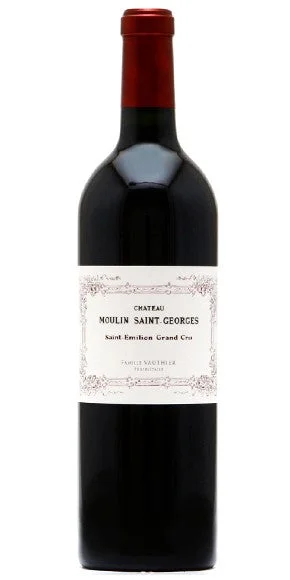
Red Wine: 2017 | Château Moulin Saint-Georges | Saint-Emilion
This is so perfumed with chalk, powdered stones and flowers. Pure fruit. Medium-to full-bodied, juicy and savory. Hints of salt.
Order from the Largest & Most Trusted Premium Spirits Marketplace!
Featured in
- ROLLING STONE
- MEN’S JOURNAL
- US WEEKLY
NOTICE: Many other small liquor store sites may end up cancelling your order due to the high demand, unavailability or inaccurate inventory counts.We have partnerships consisting of a large network of licensed retailers from within the United States, Europe and across the world ensuring orders are fulfilled.
Producer: Château Moulin Saint-Georges
Ratings: WA | 89JS | 93
Vintage: 2017
Size: 750ml
ABV: 13%
Varietal: Cabernet Franc, Merlot
Country/Region: France, Saint-Emilion Grand Cru
This is so perfumed with chalk, powdered stones and flowers. Pure fruit. Medium-to full-bodied, juicy and savory. Hints of salt.
Reviews:
- Wine Advocate: The 2017 Moulin St Georges is medium garnet-purple in color with lovely notes of red currants, black cherries, black raspberries and allspice with touches of roses and garrigue. Medium-bodied with a solid backbone of grainy tannins and wonderful freshness, it finishes long.
- James Suckling: Extremely perfumed and beautiful with cherries and flowers. Hints of light chocolate. Medium to full body, firm tannins and a tangy, acidity-driven finish. Lots of tension. Exciting.
Producer Information
Anybody who has read about the vineyards of St Emilion will probably have learned something of this wine region’s ancient Gallo-Roman heritage. There was Ausonius of course, for whom Château Ausone is purportedly named, although I am not certain I have been convinced that this is anything more than myth or legend. There is more tangible evidence of Gallo-Roman occupation though. Indeed, the area around Château La Gaffelière, Château Saint Georges Côte Pavie and Château Moulin Saint-Georges seems to be littered with ancient artefacts, largely dating to the 3rd and 4th centuries. Clues as to why this should be came to light at various points during the 20th century, and we have Léo de Malet Roquefort of Château La Gaffelière to thank for one such discovery, made in the late 1960s.It was February 1969, and Léo de Malet Roquefort was out surveying his vineyard, intent on planting up a small parcel which at that time lay fallow. As he dug into the soil, however, he had hardly begun when he unearthed brightly coloured tesserae mosaics.
Reviews
There are no reviews yet.